
Unlocking New Dimensions in Education: The Benefits of Using Virtual Reality in Homeschooling
In the evolving landscape of education, virtual reality (VR) emerges as a transformative tool, particularly within the homeschooling environment...
In the evolving landscape of education, virtual reality (VR) emerges as a transformative tool, particularly within the homeschooling environment. This innovative technology offers a unique blend of engagement, interactivity, and immersion, providing homeschoolers with unprecedented opportunities to explore, learn, and understand the world around them in ways that traditional educational methods cannot match. This article explores the myriad benefits of integrating virtual reality into homeschooling, highlighting how it can revolutionize the learning experience.

Bringing Subjects to Life
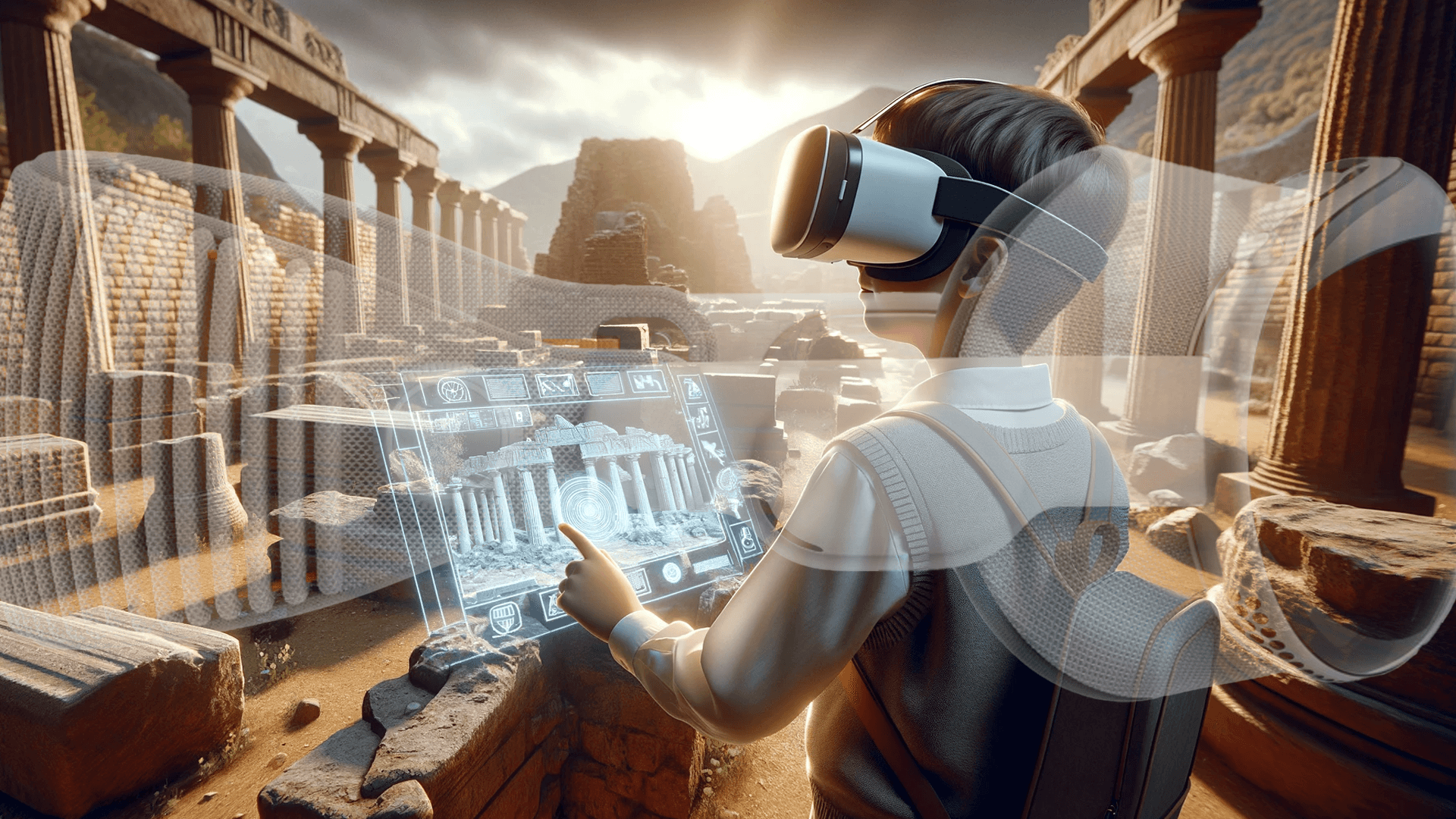
One of the most significant advantages of using VR in homeschooling is its ability to bring educational content to life. Through immersive simulations and interactive environments, students can virtually visit historical landmarks, dive into the depths of the ocean, or explore the vastness of space—all from the comfort of their home. This vivid, experiential learning not only enhances engagement but also improves comprehension and retention of complex subjects.
Catering to Different Learning Styles
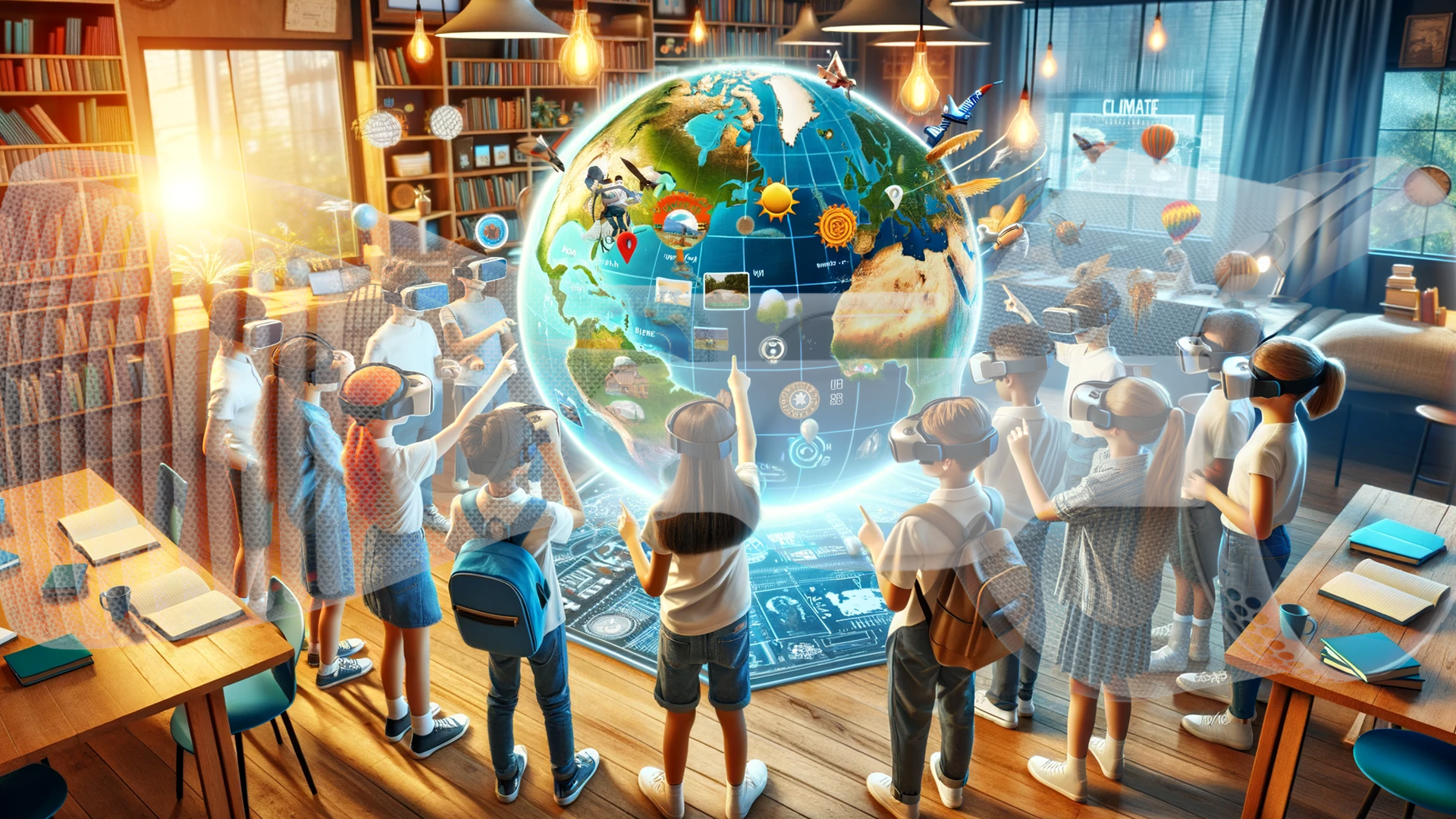
VR's versatility supports various learning styles, making it an invaluable asset in the homeschooling toolkit. Visual learners can benefit from the rich, immersive visuals, while kinesthetic learners can engage in interactive experiences that require movement and decision-making. Furthermore, auditory learners can benefit from spatial audio features that complement the visual elements, creating a holistic educational experience that caters to individual learning preferences.
Encouraging Exploration and Curiosity
Virtual reality fosters a sense of exploration and curiosity, allowing students to take charge of their learning journey. In a VR environment, learners can explore at their own pace, delve deeper into areas of interest, and discover new passions. This autonomy and personalization of the learning process are pivotal in cultivating a lifelong love for learning, encouraging students to seek out knowledge and explore the world around them with enthusiasm and confidence.
Enhancing Accessibility and Inclusivity
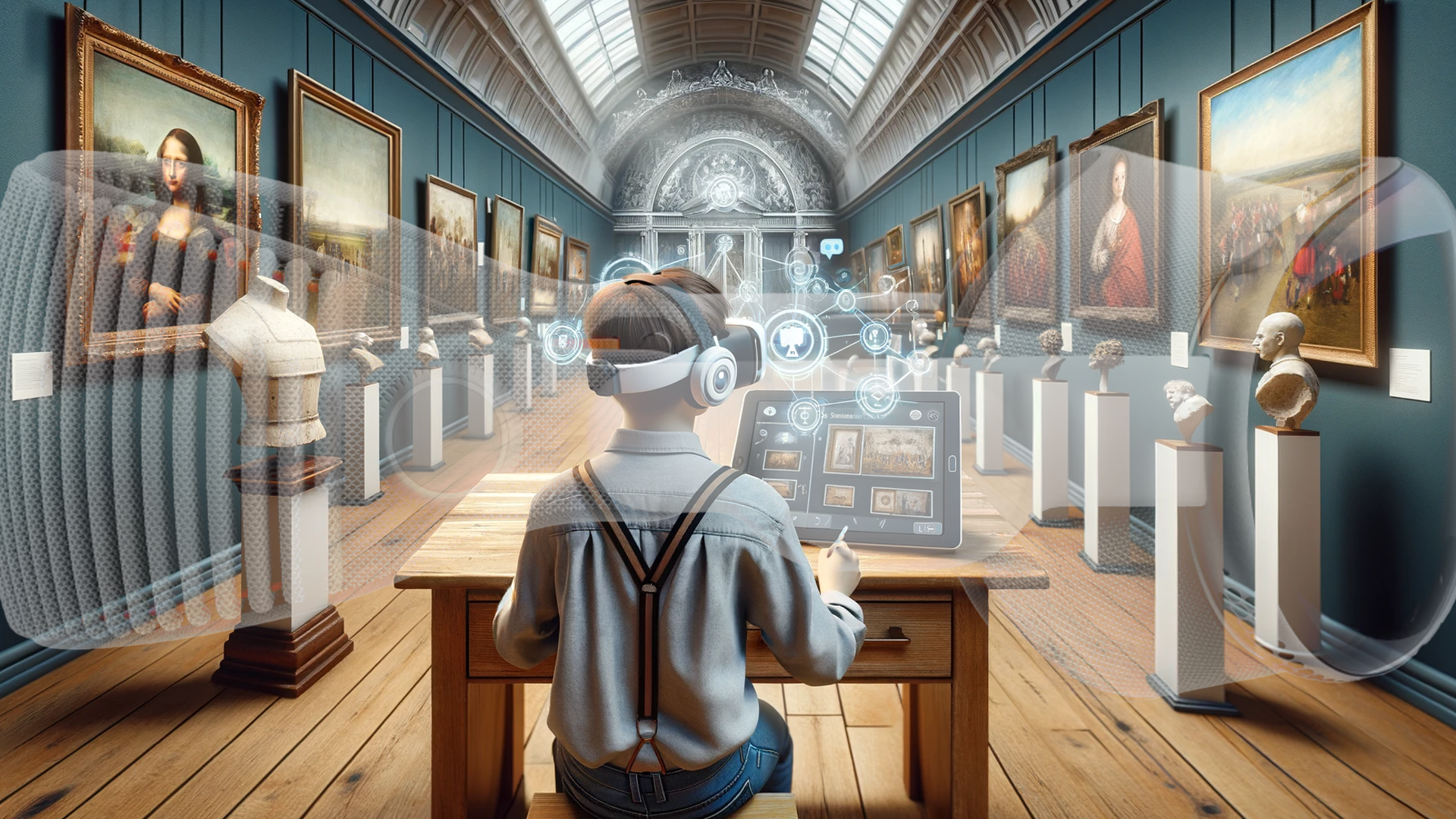
VR in homeschooling can transcend physical and geographical limitations, offering all students access to world-class educational resources. Whether it's a virtual tour of the Louvre or a hands-on science experiment in a virtual lab, VR ensures that high-quality educational experiences are accessible to homeschoolers, regardless of their location. This inclusivity is particularly beneficial for students in remote or underserved areas, bridging the gap and ensuring equal opportunities for learning and growth.
Promoting Social Interaction
Contrary to the belief that homeschooling might limit social interactions, VR can facilitate meaningful connections with peers, educators, and experts around the globe. Through collaborative projects and virtual classrooms, students can work together, share insights, and engage in discussions, enriching their homeschooling experience with diverse perspectives and fostering a sense of community and belonging.
Safe Environment for Experiential Learning
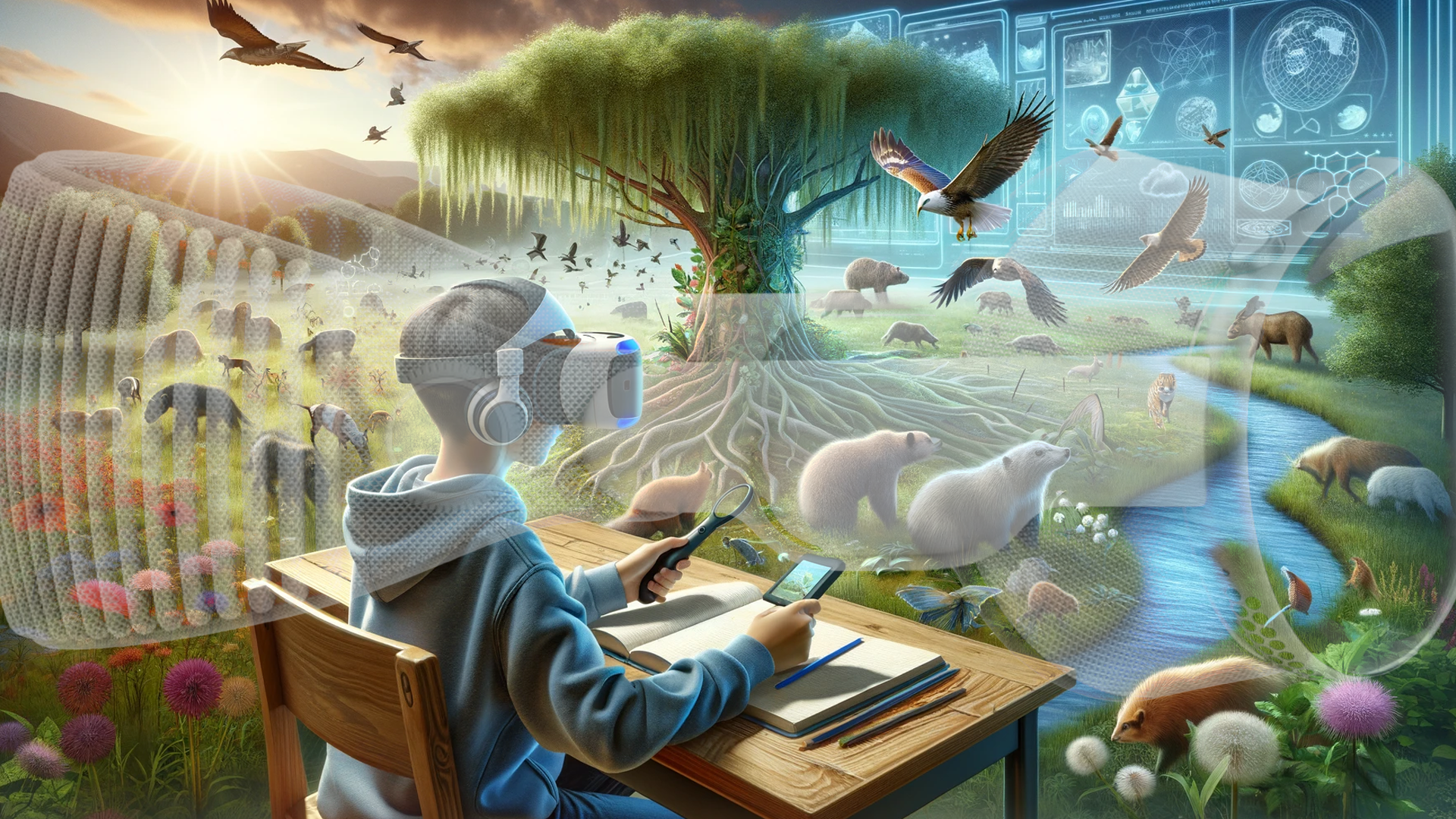
VR provides a safe and controlled environment for students to experiment, take risks, and learn from their mistakes without real-world consequences. This aspect is especially beneficial in fields like science and engineering, where practical experience is crucial. Students can conduct experiments, build structures, or practice skills in a virtual setting, gaining confidence and proficiency before applying their knowledge in real-life scenarios.
Preparing for the Future
Incorporating VR into homeschooling prepares students for a future increasingly dominated by technology. By familiarizing themselves with VR and other emerging technologies, students not only gain technical skills but also develop adaptability, problem-solving abilities, and a forward-thinking mindset. These competencies are invaluable in navigating the challenges and opportunities of the 21st century.
The integration of virtual reality into homeschooling opens up a world of possibilities for personalized, immersive, and inclusive education. By leveraging the power of VR, homeschoolers can enjoy a rich and varied learning experience that prepares them for academic success and beyond. As technology continues to evolve, the potential of VR in education will only expand, offering new opportunities for learners to explore, discover, and achieve their full potential.
When considering the integration of Virtual Reality (VR) into homeschooling, parents should be well-informed to make the most out of this innovative technology. Here are key points parents need to know:
1. Understanding the Basics of VR
Parents should start with a basic understanding of VR technology, including how it works, the types of VR headsets available (standalone, PC-tethered, or smartphone-powered), and the requirements for each.
2. Educational Content Availability
Research and identify quality educational VR content that aligns with your homeschooling curriculum and goals. There's a wide range of VR applications covering various subjects, from science and history to art and languages. Ensure the content is age-appropriate and educational.
3. Setting Up a Safe Space
VR requires physical movement, so it's important to set up a safe, uncluttered space where children can use VR without risk of injury. The area should be free of obstacles, and the floor should be flat to prevent trips and falls.
4. Monitoring Screen Time
While VR can be an engaging educational tool, it's essential to monitor and limit screen time to prevent eye strain, fatigue, and other potential health impacts. Establish a balanced schedule that includes VR learning and other educational activities.
5. Understanding Health and Safety Guidelines
Familiarize yourself with the health and safety guidelines provided by VR headset manufacturers, including age restrictions. Some VR headsets are not recommended for children under a certain age due to developing vision. Always ensure that VR sessions are short and that children take regular breaks.
6. Interactive and Social Learning
VR can provide not only individual learning experiences but also interactive and social learning opportunities. Look for applications that offer collaborative projects or virtual field trips with other students, which can help enhance social skills and teamwork.
7. Technical Requirements
Understand the technical requirements needed to run VR applications smoothly, including the specifications of VR hardware and any additional equipment needed. This might include a compatible PC for tethered headsets, adequate storage for standalone headsets, or specific controllers.
8. Cost Considerations
Evaluate the cost of VR technology, including the headset and any subscriptions or purchases of educational content. While there are upfront costs, VR can offer a vast array of learning resources that might justify the investment.
9. Keeping Up with Updates and New Content
The VR landscape is rapidly evolving, with new content and updates regularly released. Stay informed about the latest educational VR applications and updates to existing programs to continually enhance your homeschooling experience.
10. Combining VR with Traditional Learning Methods
VR should complement, not replace, traditional learning methods. Combine VR experiences with hands-on activities, reading, and other educational strategies to provide a well-rounded education.
By understanding these key aspects, parents can effectively incorporate VR into their homeschooling approach, offering their children an innovative and immersive learning experience that goes beyond traditional education methods.
Author: Gerald Ferreira
Sharing practical insights on immersive learning, XR hardware, curriculum-aligned simulations, and what’s next for education in the Metaverse.